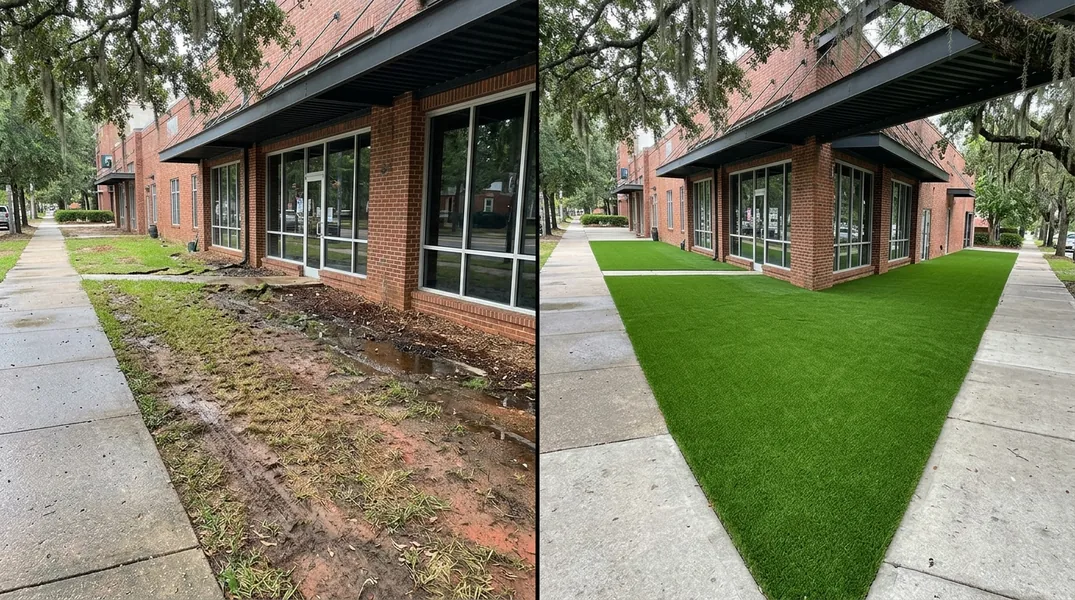
Does Artificial Grass Really Get Hot in Tallahassee?
If you're considering Residential Artificial Grass Installation for your Tallahassee home, you've probably heard the concern: does artificial turf get dangerously hot during our intense Florida summers? The short answer is yes, artificial grass can absorb and retain heat more readily than natural grass, but the reality is more nuanced than a simple yes or no.
The science behind artificial turf heat is straightforward. While natural grass stays cooler partly because it transpires water (similar to how plants sweat), synthetic turf is made from plastic polymers that absorb solar radiation. On a scorching Tallahassee day when temperatures reach the low 90s, your artificial grass surface could potentially reach 140 to 160 degrees Fahrenheit depending on the material, infill, and sun exposure. That's certainly warmer than natural grass, which typically stays 10 to 20 degrees cooler due to its biological cooling properties. However, this doesn't mean artificial turf is unusable or unsafe for your family and pets. Modern installation techniques and cooling solutions have made a real difference in managing this challenge.
Understanding Artificial Turf Heat in Florida's Humid Climate
Tallahassee's subtropical climate presents unique challenges for artificial grass temperature management. Unlike drier climates where heat radiates away more easily, our humidity levels (often 70 to 80 percent in summer) trap heat near the surface and slow evaporative cooling. This means that while the air temperature might be 92 degrees, the ground-level conditions can feel significantly warmer, and your turf surface will absorb that energy intensely. The combination of direct sunlight, high humidity, and minimal air circulation in many residential yards creates a perfect storm for heat retention in synthetic turf.
The good news is that understanding this local climate challenge is the first step toward solving it. Professional installation companies serving the Tallahassee area have learned which products, infill materials, and design strategies work best in our specific environment. Not all artificial grass is created equal, and not all installations are performed the same way. The difference between a mediocre installation and a smart, heat-conscious one can mean the difference between a surface that's uncomfortably hot and one that's genuinely usable throughout the summer months.
Cooling Infill: The Game-Changer for Artificial Grass Temperature
One of the most effective solutions to reduce artificial turf heat is the choice of infill material. Traditional infill options like crumb rubber (recycled tire material) and silica sand absorb and retain heat quite readily. However, modern cooling infill products have emerged as a genuine alternative for homeowners concerned about surface temperature. Cooling infill typically includes materials like silica sand blended with reflective coatings, or newer polymer-based infills specifically engineered to reflect rather than absorb solar radiation.
When you choose Residential Artificial Grass Installation with cooling infill, you're investing in a material that can reduce surface temperatures by 20 to 30 degrees Fahrenheit compared to standard infill. This makes a dramatic difference, especially if you have young children or pets who spend time barefoot on the turf. Some cooling infills even contain moisture-retention properties that provide a mild evaporative cooling effect, mimicking some of the benefits of natural grass. For families with Pet Turf & Dog Run Installation needs, cooling infill becomes even more important, as pets are more sensitive to surface heat and can develop pad injuries on excessively hot surfaces.
The investment in cooling infill does add to your initial pricing, but many homeowners find it worthwhile when they consider the added comfort and usability of their outdoor space. During peak summer months, the difference between a 150-degree surface and a 120-degree surface is genuinely noticeable and makes outdoor activities more enjoyable for your entire family.
Smart Installation Techniques to Minimize Heat Absorption
Beyond infill selection, the way your artificial grass is installed significantly impacts how hot it gets during Tallahassee summers. Professional installers use several techniques to reduce heat absorption and improve overall performance. One approach is ensuring proper base preparation and drainage, which helps prevent moisture buildup and promotes air circulation beneath the turf. A well-draining base not only extends the life of your installation but also allows air to flow underneath, which naturally helps dissipate some of the absorbed heat.
Another critical technique is the selection of the turf pile height and density. Shorter pile heights with appropriate spacing can actually help reduce heat retention compared to extremely dense, tall varieties. This might seem counterintuitive, but excessive density with minimal air gaps can trap heat like insulation. Professional installers in the area understand these nuances and can recommend grass varieties that balance aesthetics with practical heat management. Additionally, the orientation and placement of your turf relative to shade structures, trees, and your home's layout can make a measurable difference. Strategic landscaping that provides afternoon shade during the hottest hours can reduce turf temperature by 15 to 25 degrees.
When you're planning your installation, discussing these heat-management strategies with your installer should be a standard part of the consultation. If your current provider hasn't mentioned cooling solutions or smart installation techniques, it's worth getting a free estimate from Tallahassee Artificial Grass Installation to see what options they recommend for your specific property.
Practical Maintenance Tips to Keep Your Turf Cooler
Once your artificial grass is installed, there are several maintenance practices that can help manage temperature throughout the year. Regular rinsing with water, especially during the hottest parts of the day, can temporarily cool the surface and also help remove dust and debris that might contribute to heat absorption. A light misting in the early morning or late evening won't waste water or damage your turf, and it provides a quick temperature reduction that makes the surface more comfortable for barefoot use.
Another practical approach is maintaining proper airflow around your yard. Trimming back overhanging branches or removing obstacles that block air circulation can help the turf surface cool more effectively. Similarly, ensuring your drainage system is functioning properly prevents water from pooling, which can exacerbate heat retention and create maintenance issues. Some homeowners in surrounding areas like Bradfordville and Chaires have found success with strategic placement of shade structures like pergolas or shade sails over high-use areas, which reduces direct sun exposure without requiring expensive installation modifications.
It's also worth noting that if you have a Pool Surround Turf installation, the proximity to water naturally helps moderate temperature. The evaporative cooling effect from a nearby pool can keep the surrounding turf noticeably cooler than turf in full sun with no water features nearby.
Choosing the Right Artificial Grass Product for Tallahassee Heat
Not all artificial grass products are designed with the same heat considerations in mind. Premium turf brands now offer lines specifically engineered for hot climates, with lighter colors, specialized fiber blends, and backing materials that reflect rather than absorb heat. When evaluating products, look for options with UV-stabilized fibers that resist degradation from intense Florida sun while also providing better heat reflection. Some manufacturers publish surface temperature data for their products under various conditions, which can help you make an informed decision.
The color of your artificial grass also matters more than you might think. Lighter shades naturally reflect more solar radiation than darker varieties, which means a tan or light green turf will stay cooler than a dark green option. This doesn't mean you have to sacrifice aesthetics, as modern artificial grass comes in a wide range of attractive light and medium tones that look natural while providing practical heat benefits. When you're reviewing options for your installation, ask your provider about the specific heat characteristics of each product they recommend and how they compare in real-world Tallahassee conditions.
The bottom line is that artificial grass heat is a legitimate concern, but it's absolutely manageable with the right product selection and installation approach. Call Tallahassee Artificial Grass Installation at (850) 404-1460 or request a free estimate to discuss heat-reduction strategies tailored to your specific yard and needs. Our team understands the local climate challenges and can recommend solutions that keep your outdoor space comfortable and enjoyable throughout the year.
Looking for a professional artificial grass installation company in Tallahassee? Tallahassee Artificial Grass Installation responds fast for all your artificial grass installation needs.
Get a Free Quote