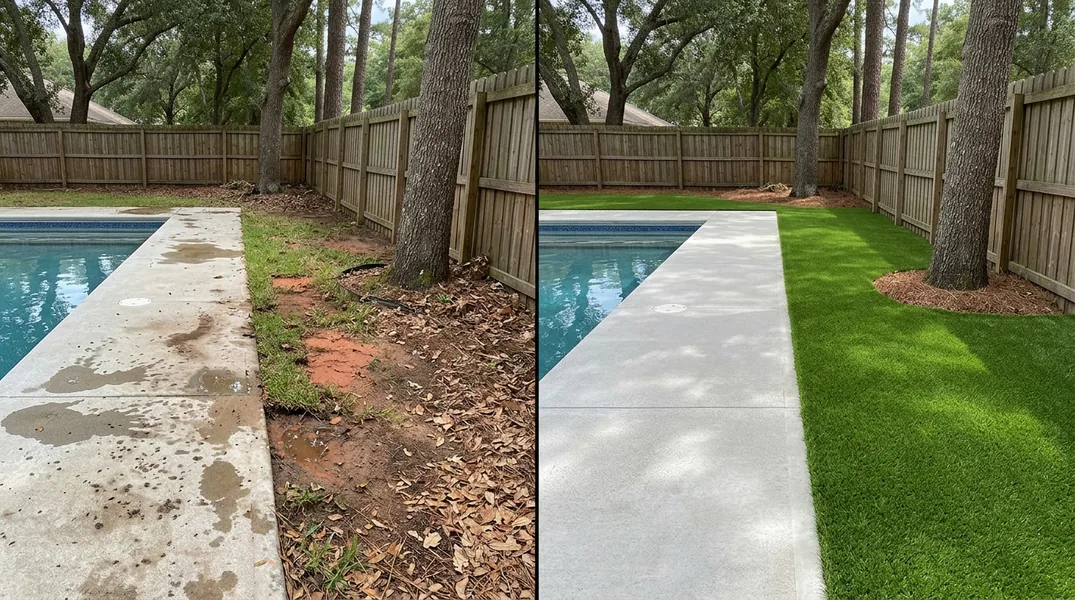
Understanding Leon County HOA Artificial Grass Rules
If you live in a homeowners association community in Leon County, you already know that HOAs maintain strict guidelines about property appearance. Many residents in Tallahassee and surrounding areas are discovering that artificial grass can be a solution to lawn maintenance challenges, but not every HOA welcomes the idea equally. Understanding your specific HOA's stance on artificial turf is the first critical step before investing in a new lawn.
Most Leon County HOAs fall into one of three categories when it comes to artificial grass policies. Some communities embrace artificial turf as a water-conservation measure and approve it readily. Others allow it only in specific areas like backyards or side yards, but prohibit it in front yards where it's most visible from the street. A third group maintains blanket restrictions on any artificial surface, viewing it as incompatible with the community's aesthetic standards. Your HOA's governing documents, architectural guidelines, and covenants, conditions, and restrictions (CC&Rs) will spell out exactly where your community stands. Before you even consider Residential Artificial Grass Installation, take time to review these documents carefully or reach out to your HOA board directly.
Front Yard Artificial Grass: Why HOAs Often Say No
Front yards are the public face of any residential community, and HOAs take their stewardship of curb appeal very seriously. This is why front yard artificial grass restrictions are more common than backyard limitations. Some HOA boards worry that artificial turf looks plastic or fake, potentially lowering property values or creating an inconsistent aesthetic across the neighborhood. Others have concerns about the durability of older artificial grass products, which can fade, wear unevenly, or develop seams that become visible over time. These concerns, while sometimes outdated given modern turf technology, remain powerful drivers of HOA policy.
However, attitudes are shifting in Florida communities. As droughts become more frequent and water conservation becomes a civic priority, many HOAs are reconsidering blanket bans on artificial grass. Premium artificial turf products today are designed to look remarkably natural, with varied blade colors, realistic textures, and UV protection that prevents fading. If your Leon County HOA currently prohibits front yard artificial grass, it may be worth exploring whether the board would consider a variance or policy update. Some communities have successfully transitioned to allowing artificial turf in front yards with specific requirements, such as a minimum blade height, drainage specifications, or approval of only certain brands known for quality and longevity.
The HOA Submittal and Approval Process in Tallahassee
Most HOAs require homeowners to submit an architectural review request before making any exterior changes, including lawn replacement. In Tallahassee, this process typically begins with completing a formal request form available through your HOA management company or board. The form usually asks for details about the project scope, materials, colors, and a site plan or photos showing where the work will occur. Some HOAs also request product specifications, samples, or warranty information for the artificial grass itself. This is your opportunity to demonstrate that you've chosen a high-quality product that meets community standards.
When submitting your request, include as much supporting documentation as possible. Provide color samples of the artificial turf you plan to install, photographs of similar installations in other communities, and information about the product's durability and maintenance requirements. If your HOA has expressed concerns about artificial grass in the past, address those concerns head-on in your submittal. For example, if the board worries about heat retention, explain how modern turf includes cooling technology. If they're concerned about drainage, include drainage specifications for your chosen product. The more thorough and professional your submittal, the more seriously the architectural committee will consider your request. Many HOAs review architectural requests at monthly meetings, so expect a timeline of two to four weeks for a decision.
Common HOA Conditions and Restrictions for Artificial Turf
Even when an HOA approves artificial grass, they often attach specific conditions to the approval. Understanding these requirements before installation begins will save you time, money, and frustration. Common conditions include restrictions on blade height, typically requiring turf between 1.5 and 2.5 inches tall to maintain a manicured appearance. Some HOAs specify the color range acceptable, often requiring a natural green shade rather than bright or artificial-looking tones. Others mandate that seams be placed in specific locations, such as along fence lines or property edges where they're less visible from the street.
Drainage and base preparation are also frequent conditions. Your HOA may require that the artificial grass installation include a proper drainage system to prevent water pooling, which can damage the turf and create mosquito breeding grounds. Edge finishing is another common requirement, with many HOAs insisting that borders be finished with landscape edging, decorative pavers, or sod transitions rather than exposed seams. If you're installing artificial grass near a front walkway or driveway, the HOA may require specific safety measures to prevent slipping. Before you hire a contractor, request a copy of your approval letter and ensure the installer understands every condition attached to it. This protects both you and the installer from costly mistakes or work that must be redone.
Working with a Professional Installer Who Understands HOA Requirements
Choosing the right contractor for your artificial grass project becomes even more important when HOA approval is involved. A professional installer familiar with Leon County HOA standards will know common approval conditions, proper installation techniques that satisfy board requirements, and how to avoid pitfalls that could trigger a complaint or violation notice. Tallahassee Artificial Grass Installation has extensive experience navigating HOA requirements across the area, from Bradfordville to Woodville and beyond. When you contact us for a free estimate, we'll discuss your HOA's specific requirements and ensure your project meets every condition of your approval.
A reputable installer will also help you select an artificial grass product that not only meets HOA standards but will satisfy you for years to come. They'll explain the difference between various turf qualities, backing systems, and drainage solutions. They'll show you samples, discuss color options, and help you understand maintenance requirements. Most importantly, they'll install the turf correctly the first time, with proper base preparation, seaming, and finishing that reflects professional craftsmanship. Poor installation can lead to visible seams, uneven wear, drainage problems, or premature degradation, all of which could trigger HOA complaints. Investing in quality installation from the start protects your investment and your community standing.
Next Steps: Getting Your HOA Approval and Moving Forward
If you're ready to explore artificial grass for your Leon County property, start by reviewing your HOA documents or contacting your board to understand the current policy. If artificial grass is allowed, request the architectural review process and submittal requirements. If it's currently prohibited, consider whether you want to pursue a variance request or wait for a potential policy change. Many HOAs are becoming more flexible as water conservation becomes increasingly important in Florida, so your timing may be better than you think.
Once you have approval in hand, the next step is choosing a qualified installer who understands your specific HOA conditions. Tallahassee Artificial Grass Installation is ready to help you navigate this process and deliver a beautiful, code-compliant installation that your HOA and your neighbors will appreciate. Call us at (850) 404-1460 or reach out online to discuss your project, your HOA requirements, and how we can help you achieve the low-maintenance lawn you've been wanting. With the right planning, approval, and installation partner, artificial grass can transform your outdoor space while keeping your HOA board happy.
Looking for a professional artificial grass installation company in Tallahassee? Tallahassee Artificial Grass Installation responds fast for all your artificial grass installation needs.
Get a Free Quote